
Sometimes the most remarkable herbs are the ones we already have sitting in our kitchen cabinets!
Ginger (Zingiber officinale) is one of those extraordinary plants. Known for its warm, spicy flavor and distinctive aroma, ginger has been treasured for centuries in traditional herbal practices around the world.
But there’s much more to this familiar kitchen spice than meets the eye!
From its traditional uses to its potential digestive benefits, ginger has a fascinating story to tell. Let’s explore what makes this powerful little root so remarkable.
Ginger and Digestive Wellness
If there’s one thing ginger is especially known for, it’s supporting digestive comfort!
For centuries, ginger has been used in traditional herbal medicine to help settle an uneasy stomach. Today, researchers continue to explore how this familiar root affects the digestive system.
Ginger contains naturally occurring compounds called gingerols and shogaols. These compounds contribute to ginger’s distinctive flavor and are being studied for their potential positive effects on digestion and inflammation.
One of ginger’s most researched benefits is its ability to help relieve certain types of nausea, particularly nausea associated with pregnancy. Research is also ongoing for its effectiveness with motion sickness and other digestive complaints.
Ginger has also been studied for its effects on gastric motility, which refers to how food moves through the digestive system. Although some studies suggest ginger may help the stomach empty more efficiently, additional research is needed to determine how much this improves digestive symptoms.
It’s fascinating how an ordinary kitchen spice can contain so many interesting plant compounds!
ginger a warming herb
For generations, ginger has been valued in traditional herbal medicine as a warming and comforting herb, particularly during the colder months.
If you’ve ever enjoyed a steaming cup of ginger tea on a chilly day, you’ve probably experienced that pleasant warming sensation firsthand!
Ginger contains naturally occurring compounds, including gingerols and shogaols, that have attracted scientific interest for their antioxidant and anti-inflammatory activities. Although laboratory research has shown promising findings, more human studies are needed to determine how these properties translate into specific health benefits.
Ginger is also traditionally helpful when someone is feeling under the weather. A warm cup of ginger tea can be soothing and provide welcome hydration.
One of my favorite ways to enjoy ginger during the colder months is in a warm cup of ginger and lemon tea. It’s a simple, comforting addition to my personal wellness routine.
GINGER BATH SOAK
There’s something wonderfully comforting about a warm bath when you’re feeling chilled, tired, under the weather, or simply in need of relaxation.
Ginger has traditionally been appreciated for its warming and healing qualities, and adding a small amount to bathwater can create a lovely herbal bathing experience.
Ingredients
- 1/3 cup Epsom salt
- 1/3 cup sea salt
- 1/3 cup baking soda
- 1 teaspoon ground ginger, initially
Directions
Combine the dry ingredients and add them to a tub of comfortably warm water, stirring to disperse them.
Soak for approximately 10–15 minutes, keeping the water comfortably warm rather than hot. Be sure to drink water and get out of the bath if you feel dizzy, overheated, or uncomfortable.
Because ginger can irritate sensitive skin, start with a small amount, avoid using it on broken or irritated skin, and discontinue use if burning or itching occurs.
Sometimes a little warmth, quiet time, and rest are just what we need!
a personal experience I’ll never forget
One experience with ginger has stayed with me throughout my years of working with natural remedies.
A dear friend, who was also a client of mine, was spending time with her family following the loss of a loved one. During an already emotional and difficult time, she began experiencing significant stomach distress.
Both she and her daughter reached out to me during the visitation, asking if there was anything I could do to help.
The challenge was that I didn’t have any of my usual herbal remedies with me. But then I remembered something sitting in the upstairs kitchen cabinet: ordinary ground ginger spice!
I prepared a cup of warm water with just a few shakes of ground ginger and encouraged her to sip it slowly.
What happened next is something I’ll never forget.
Within approximately 15 minutes of sipping the warm ginger water, she experienced remarkable relief from her stomach discomfort.
It was such a simple intervention, yet witnessing her relief made a lasting impression on me.
That experience reinforced something I’ve come to appreciate throughout my years in natural wellness: Sometimes the simplest resources are already within our reach.
We don’t always need an elaborate collection of herbal preparations to offer someone comfort. Sometimes, something as ordinary as a spice in the kitchen cabinet can make a meaningful difference.
While this was one person’s experience and results can vary, it remains one of my favorite memories of ginger’s traditional use for digestive comfort.
let’s talk ginger
One of the things I love most about herbal wellness is discovering how something as simple as a familiar kitchen spice can have such a rich history of traditional use!
Now I’d love to hear from you!
Have you ever used ginger as part of your wellness routine? Perhaps you’ve enjoyed ginger tea, used it for occasional nausea and digestive upsets, or discovered another favorite way to incorporate this remarkable root into your daily life.
Share your experiences in the comments below! I always enjoy hearing how others incorporate herbs into their lives, and your story might inspire someone else.
Looking for Herbal Support?
If you’re interested in exploring quality herbal products, I invite you to visit The Healthy Alternative to browse the herbal options available through my website.
Not sure which herbs or preparations might be appropriate for your individual needs? You’re always welcome to reach out to me for free personalized recommendations. I’d be happy to help you explore your options and discuss important considerations, including potential interactions with medications.
Here’s to discovering the wonderful world of herbs, one plant at a time!
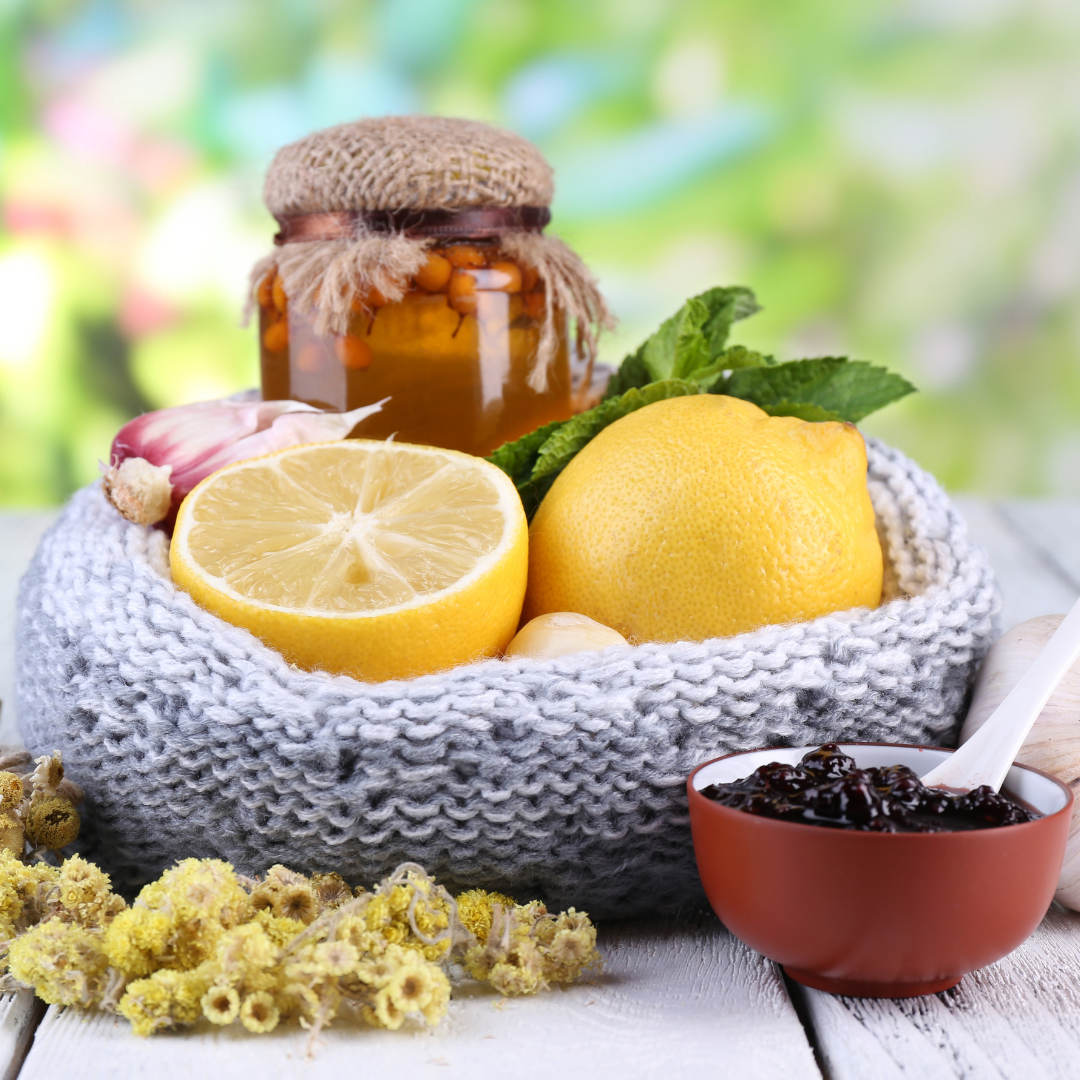

I’d also like to include that combining Dandelion Root Tea with Ginger/Lemon is a powerful duo. Especially if you think you’ve been exposed to a virus or have been around large groups of people. It’s preventative, but also very healing if you are under the weather. Keep in mind that Dandelion Root does contain a small amount of caffeine and its by nature energy producing. So I choose to refrain from drinking Dandelion Root tea after 3:00 p.m. – but ginger by itself hasn’t been an issue for me and doesn’t keep me awake.